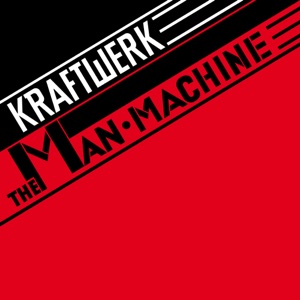
Electronic / Pioneers & krautrock · 1978
The Man-Machine
Kraftwerk
Why listen
A measured pulse can carry a graceful melody. Follow the meeting of a machine-like voice and a song that quickly becomes familiar.
Listen and read
Tracks · previews
English editorial edition
Album story
On The Robots, attend to where the voice sits before deciding whether it sounds cold. A brief phrase can make you anticipate its return as strongly as an expressive singer can. Kraftwerk offers more than a choice between human warmth and mechanical precision here. The regularity of the accompaniment and the movement of the melody can become two separate paths through the same piece.
Released in 1978, The Man-Machine is presented here in a six-track remastered edition carrying a 2009 rights notice. That is distinct from a concert document or a later reconstruction of the songs. The programme begins with The Robots and ends with the title track. The original album date and the digital edition’s copyright tell you different things; neither should replace the other.
A change of scale
Spacelab and Metropolis invite images through their titles, but first follow the intervals between sounds. Which ones disappear quickly, and which seem to remain suspended? Identifying every instrument is unnecessary. Separating short movements from longer tones gives a practical way of hearing differences within a broadly electronic surface.
A song opens into a landscape
Continue from The Model into Neon Lights. A compact melodic memory can take on another scale when followed by a piece that encourages you to stay longer. Notice when your attention leaves the voice for something small in the accompaniment. Sparse words need not mean empty music: a pause in the singing can reveal activity that was already present.
Reception has more than one date
Official Charts records the album’s first British chart appearance in May 1978, but its number nine peak belongs to February 1982. It is not a first-release peak. Rhino’s 2025 retrospective reads the record as groundwork for subsequent synth-pop; that is a later assessment, not a requirement to admire it. Start with one track and let the next alter your impression. Repetition may become anticipation when a small sound gives you something particular to wait for.
The album through its tracks
Hear The Model into Neon Lights, comparing the memory of a compact song with a more extended sense of repetition.
The Robots
Remember where the first vocal phrase enters, then wait for its return. This shifts attention from imagining a singer’s expression to hearing syllables meet a pulse. A machine-like sound still has a musical position. When the voice withdraws, does the space seem larger, or does the next entrance become more urgent? You need not identify how every sound was made. Follow a low recurring figure once, then a shorter melodic detail above it. The same passage can offer different routes. Return after the closing title track and ask whether the opening voice now feels like a greeting in the album’s own language. A first impression of coldness need not remain your only response.
Reference · Apple Music: six-track remastered editionNeon Lights
Keep The Model in mind while entering this track. After a readily remembered melody, notice the feeling of remaining in one space for longer. The title offers a city image without demanding that you identify a particular street. Follow the outline of a tone as it brightens and leaves a trace, then compare that with the activity behind the voice. Does the apparent pace change when your attention moves? A preview introduces the texture, while the full piece allows you to ask whether one small sound keeps the same role throughout. At the transition to the title track, listen for what remains in memory rather than expecting a dramatic break between scenes.
Reference · Apple Music: six-track remastered edition
Listen next
Return to Trans-Europe Express and compare its image of travel with the robots and urban spaces of this album.
Trans-Europe Express ↗References & editorial note
Written for English readers. Album facts are referenced below; listening suggestions are editorial interpretations. AI-assisted editorial review; not independently human-reviewed.