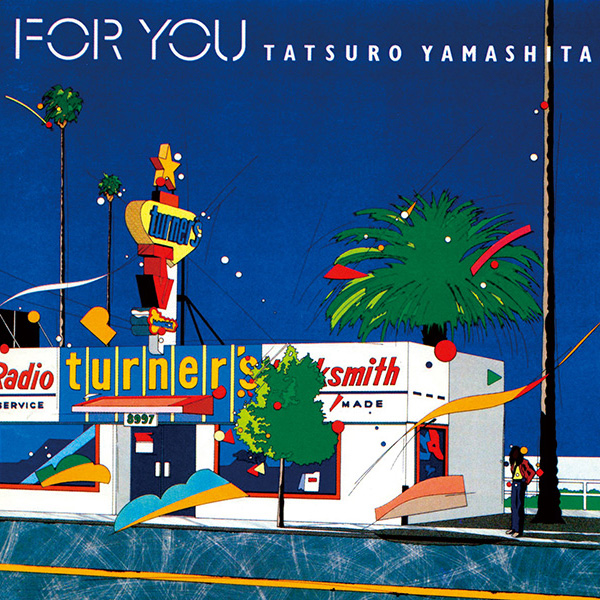
Japanese Music / New music, city pop & soul · 1982
FOR YOU
Tatsuro Yamashita
FOR YOU · 山下達郎
Why listen
From the opening guitar figure, voice and rhythm lock together. Beneath its sunny surface, brief transitions and vocal layers make this a particularly rewarding album to hear in sequence.
Listen and read
Tracks · previews
English editorial edition
Album story
FOR YOU changes your pace as soon as its opening guitar starts. The singing opens out while the rhythm remains firm without feeling heavy. What begins as immediately welcoming pop also rewards attention to the short vocal and instrumental links between the larger songs.
Tatsuro Yamashita released the album in 1982. His official discography distinguishes the original programme, running from “SPARKLE” to “YOUR EYES”, from the reissue’s bonus material. That sequence matters to this selection. A set of appealing individual tracks becomes something different when the changes of pace and small transitions are allowed to shape the listening experience.
Precision that feels effortless
Easy pleasure need not mean simple playing. Guitar divides the beat, bass and drums provide movement, and the voice alternates between extended lines and shorter gestures. Their fit can be felt before it is analysed. From a critical perspective, the interest lies in the detailed arrangement of familiar pop and soul resources. For a newcomer, the result is more immediate: a clear melody and an inviting pace. Both are valid ways to approach the same musical construction.
The spaces between songs count
Several brief interludes appear in the official running order. A playlist of the best-known songs can miss their function: they change the atmosphere and prepare the ear for another voice or tempo. The quieter time of “FUTARI” and the rhythmic movement of “LOVE TALKIN’” occupy different places within that flow. By “YOUR EYES”, the record has offered more than continuous summer brightness. It also knows how to bring the singer closer and let the larger movement settle.
Beyond a city-pop image
City pop is a useful entrance, but the label should not replace listening. Arrive through an appealing sleeve or seasonal association, then follow the precise relationship between voice and instruments. The official retrospective description evokes a remembered summer; it cannot stand for every listener’s experience. Our selection balances the approachable atmosphere with the specific work of arrangement. A chorus tucked into a transition may become your focus on a later visit, even if the first attraction was simply how good the record felt.
The album through its tracks
Enjoy the melody first, then follow how guitar and backing voices occupy the spaces around it.
SPARKLE
A short, distinct guitar figure establishes the character before the vocal arrives. It continues to matter once the singer enters, making rhythm feel like a partner rather than a backdrop. Placing the song first gives the album clarity and momentum immediately. Yamashita’s official discography describes the programme through the journey from this opening to “YOUR EYES”. On a return listen, compare a sustained vocal line with the guitar’s shorter movements underneath it. Their different lengths fit together to create the open feeling. You do not need a summer memory or an image of a city to enjoy that concrete interaction.
Reference · Tatsuro Yamashita: official discographyYOUR EYES
After the album’s energetic opening and varied middle, the closing song can feel like a voice moving closer. Alongside the English words, follow the breath needed to carry its longer melodic lines. Its position at the end of the original programme matters: arriving here through the interludes and rhythmic tracks may give it a different weight from hearing it alone. Notice when the voice and accompaniment gather together and when they leave room. This quieter destination keeps the record’s brightness from becoming a single unchanging mood. If bonus tracks follow immediately, a brief pause can help reveal that original ending.
Reference · Tatsuro Yamashita: official discography
Listen next
Continue to Hikaru Utada’s First Love for another era’s intimate meeting between vocal phrasing and rhythm.
First Love ↗References & editorial note
Written for English readers. Album facts are referenced below; listening suggestions are editorial interpretations. AI-assisted editorial review; not independently human-reviewed.