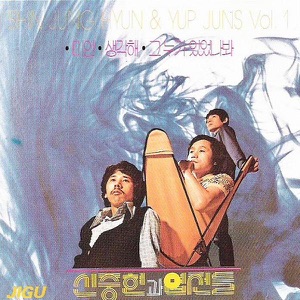
Korean Music / 1970s · 1974
신중현과 엽전들
신중현과 엽전들
Why listen
Start with the recurring guitar figure, then stay for the instrumental finale. A familiar song opens onto the sound of a working band.
Listen and read
Tracks · previews
English editorial edition
Album story
Even if Beautiful Woman is familiar, try following its recurring guitar shape before concentrating on the singer. When a vocal phrase stops, which sound takes over? This small shift of attention makes the album approachable without a lesson in Korean rock history. A listener arriving without the language can follow the same exchange. The pleasure lies partly in deciding where to place your ear, not only in recognising a tune.
An edition distinction matters here. The linked ten-track Lion release presents the early version of the 1974 album; the label explains that a rerecording followed it. It should not be described as identical to the later, more familiar version. The digital rights notice includes 2012, which is not the original year. Treat the available recording as a particular programme rather than assuming that every release under the same title sounds alike.
Let repetition become a reference point
Move from the opener into Think without demanding the same chorus again. Attend to the lower movement and to the places where the guitar answers. What remains constant, and what changes around it? You can judge whether repetition feels insistent or inviting without naming a technique. Pick a passage that makes your head move and return to it once, listening to a different part.
The middle belongs to the album too
I Love You and Lady give you a way beyond the first track’s reputation. Compare the length of vocal phrases and the space left after them. You need not translate every sentence to hear that relationship. Some listeners will prefer the voice in front; others may wait for the accompaniment to have room. Those changing priorities can make a full sequence more rewarding than a single famous recording.
Keep a place for the ending
The Rising Sun is an instrumental finale. With no next lyric to anticipate, follow a returning sound and notice when you start waiting for it. The label’s enthusiastic reissue description is a later assessment, not a survey of the original audience. Your own response may be more mixed. The useful question is whether this ending changes how you hear the band on the preceding songs.
The album through its tracks
Compare the opening song and the instrumental ending. The linked early-version reissue should be distinguished from the subsequent rerecording.
Beautiful Woman
Listen around the vocal rather than only waiting for a remembered melody. The recurring guitar figure can become a reference point: does the singer seem to ride on it or interrupt it? This recording belongs to the early ten-track version identified by Lion, not automatically to every later release of the song. That distinction is useful if the performance differs from one you already know. Resist turning the comparison into a contest over authenticity. First hear the relationship between voice and accompaniment here; then compare another version if curiosity remains. A familiar song can reveal different proportions without losing its identity, and an unfamiliar one needs no prior reputation to hold attention.
Reference · Lion Productions: original ten-track version and subsequent rerecordingThe Rising Sun (Instrumental)
There is no next line of singing to guide your expectations in the finale. Choose a sound to follow, then deliberately switch attention to another part of the texture. The official sequence places this instrumental tenth, giving the record an ending that is different from another compact vocal statement. That placement can change your impression of what the band wants room to do. You do not have to measure it against a famous Western guitarist. Compare it with the shorter songs immediately before it instead: does the extra space feel absorbing or restless? A preview offers only a fragment, so reserve judgement about the whole progression until hearing the complete piece.
Reference · Lion Productions: original ten-track version and subsequent rerecording
Listen next
Continue with Kim Jung Mi’s Now and compare the room a guitar occupies beside a voice, and the different lengths of their musical sentences.
Now ↗References & editorial note
Written for English readers. Album facts are referenced below; listening suggestions are editorial interpretations. AI-assisted editorial review; not independently human-reviewed.