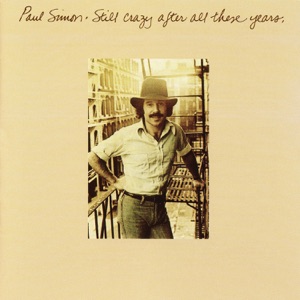
Pop / Singer-songwriter pop · 1975
Still Crazy After All These Years
Paul Simon
Why listen
Conversational singing meets harmony and rhythm that quietly complicate the apparent ease of the songs.
Listen and read
Tracks · previews
English editorial edition
Album story
Paul Simon sounds close enough to be talking across a table, while the harmony underneath refuses to stay quite where you expect. That small mismatch is an inviting way into Still Crazy After All These Years. Listen beyond the polished keyboards and horns for moments when an apparently relaxed song hesitates. Unease need not announce itself with a raised voice.
Simon and Phil Ramone co-produced this 1975 album. Reflective writing, jazz-inflected harmony and carefully shaped rhythm coexist without requiring every narrator to be treated as the singer’s unfiltered diary. The voices remember, joke and sometimes keep their own feelings at a distance. Its 1976 Grammy for Album of the Year records a major contemporary recognition; the interaction between conversational phrasing and changing accompaniment remains a more personal reason to return.
Company within reflection
Art Garfunkel joins My Little Town immediately after the title song. His presence does not turn the entire record into a reunion album. Gone At Last brings in Phoebe Snow and the Jessy Dixon Singers, opening another kind of vocal energy. Compare these passages with the moments that resemble private speech. The album varies the scale of its address rather than maintaining one unbroken reflective mood.
A title is not the whole tone
Moving from the wit of 50 Ways to Leave Your Lover into Night Game changes the pace of attention. Later, Have a Good Time and You’re Kind need not be heard as uncomplicated optimism merely because of their titles. Consider whether a line is addressed to another person or helps the speaker organise a feeling. The arrangement leaves that question room instead of settling it with a single emotional signal.
Let the ending remain an ending
The original ten-song programme closes with Silent Eyes. The linked edition then adds demos of Slip Slidin’ Away and Gone At Last; pause after track ten on a first listen. The demos offer a separate look at the work rather than replacing its conclusion. Return later while following just the drums or keyboards, and notice how the accompaniment changes the weight of familiar words.
The album through its tracks
Compare the conversational vocal surface with moments when the accompaniment shifts direction.
50 Ways to Leave Your Lover
The opening drum pattern walks through small sounds and spaces instead of simply landing on a heavy beat. In a later interview, Steve Gadd recalled Simon and Phil Ramone hearing a combination he was practising between takes and suggesting its use in the introduction. He described a collaborative response in the studio. Remember the opening before the voice arrives, then compare its feel with the chorus. The easy-sounding advice and the more tentative movement of the verse need not convey exactly the same mood. You do not have to identify every stroke: follow where the gaps fall, and an extremely familiar refrain gains a different kind of motion.
Reference · Steve Gadd interview: collaborative creation of the 50 Ways drum partStill Crazy After All These Years
A conversational beginning over soft keyboards does not mean the song returns to an identical emotional position each time. Speaking to Paul Zollo, Simon recalled studying harmony with Chuck Israels and credited him with a suggestion for the final verse’s modulation, a change of tonal centre. That context offers a practical listening route: attend to the ground shifting beneath the apparently unhurried vocal. Follow the narrator’s encounter with an old lover first, then listen around each return of the title melody. The saxophone passage can register as another voice rather than merely a decoration between words. Familiarity and an unsettled feeling remain present together at the close.
Reference · Paul Zollo interviews Paul Simon about writing Still Crazy, published 2020
Listen next
Compare Billy Joel’s 52nd Street for another pop balance of keyboards, horns and conversational singing.
52nd Street ↗References & editorial note
Written for English readers. Album facts are referenced below; listening suggestions are editorial interpretations. AI-assisted editorial review; not independently human-reviewed.
- Paul Simon official album page: 1975 release and track sequence · www.paulsimon.com
- Recording Academy: 1976 Album of the Year and co-producer credits · www.grammy.com
- Steve Gadd interview: collaborative creation of the 50 Ways drum part · www.musicradar.com
- Paul Zollo interviews Paul Simon about writing Still Crazy, published 2020 · americansongwriter.com
- Apple Music US: twelve-track bonus edition, original sequence ends at Silent Eyes · music.apple.com