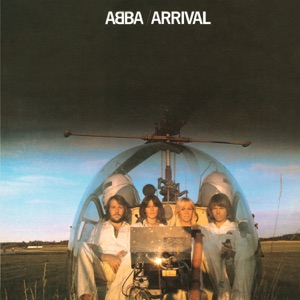
Pop / Foundations of pop songwriting · 1976
Arrival
ABBA
Why listen
An album whose immaculate surfaces hold celebration, separation and theatrical exaggeration without making them sound interchangeable.
Listen and read
Tracks · previews
English editorial edition
Album story
Arrival is bright without being emotionally uniform. A dance-floor invitation gives way to the emptiness of a failing relationship, then to a more theatrical view of desire. Layered voices connect these different scenes. Listen to the moment when a private statement opens into a chorus and the apparent size of the song changes.
ABBA’s fourth album first appeared in Sweden on 11 October 1976. Work had begun the previous summer before outside commitments interrupted the sessions. The finished ease conceals a lengthy process of returning to arrangements and recordings. Beyond its celebrated singles, the album offers changes of character: lead voices, rhythmic approaches and levels of dramatic emphasis shift from one song to the next.
A voice and a group of voices
Agnetha and Frida can blend into a broad surface, but a clearly foregrounded lead changes the emotional distance. Compare Frida’s presence in “Knowing Me, Knowing You” with the expansive vocal sound of “Dancing Queen.” You do not need to identify every overdub to follow the design. Notice when a phrase feels addressed to one listener and when the surrounding voices make it seem to fill a room. The arrangement gives scale to the story.
Success and later recognition
The UK chart records Arrival first reaching number one in January 1977 and spending ten weeks at the top. That is specific evidence of contemporary commercial reception in one market. Its addition to the US National Recording Registry in 2024 represents a different, later form of recognition. Neither fact makes every review or audience identical. Biography also needs care: “Knowing Me, Knowing You” was written and recorded before either couple in the group separated. Its fictional situation should not be reduced to retrospective gossip.
Let the original ending happen
The original ten-track programme closes with “Arrival,” whose wordless voices and folk-like melodic shape create a different kind of farewell. The digital edition used here appends “Fernando” and “Happy Hawaii.” Stop after track ten once, then hear those additions separately. “Happy Hawaii” also illuminates a discarded possibility: it was rewritten and recorded as “Why Did It Have to Be Me?” Bonus tracks can reveal a working process without becoming the intended final scene of the original album.
The album through its tracks
Compare the apparent size of a single lead voice with the space created when the chorus fills out.
Dancing Queen
The opening piano sweep makes the recording feel as though it begins inside a celebration already underway. Establish the steady pulse first, then follow the piano and layered voices rising above it. The foundation stays dependable while the surface keeps glittering. Recording began in 1975 and continued to be refined before the 1976 single release; the sensation of spontaneous happiness was carefully constructed. Once you have enjoyed the familiar chorus, pay attention to the passage into it and the route away from it. Those transitions keep the peak from becoming a static slogan. The record’s attraction lies as much in the continuity of the scene as in its most recognisable melody.
Reference · Library of Congress: Carl Magnus Palm Arrival essay,2024registryKnowing Me, Knowing You
Frida’s lead makes the situation intimate, while the chorus opens the emotional space beyond a solitary confession. Follow the breathing room within the verse, then notice the additional voices that surround the central statement. A polished pop rhythm need not imply a happy outcome. The song was written and recorded before either of ABBA’s couples separated, so treating it as a literal divorce diary reverses the chronology. Listen instead to the speaker facing the end of a shared life. The rhythm continues to hold its shape. That steadiness can sound like the work of sustaining a decision, rather than evidence that the pain has disappeared.
Reference · ABBA official: making of Arrival
Listen next
Continue with 10cc’s The Original Soundtrack to compare another way of making layered voices into the emotional space of a pop record.
The Original Soundtrack ↗References & editorial note
Written for English readers. Album facts are referenced below; listening suggestions are editorial interpretations. AI-assisted editorial review; not independently human-reviewed.