Hip-hop / Hardcore & Wu-Tang · 1994
Tical
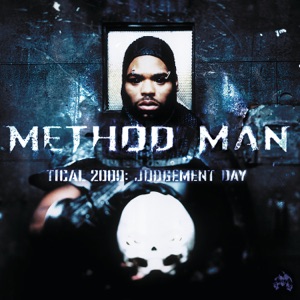
Method Man
Why listen
A member of a collective becomes the centre of a full solo programme, while fellow MCs remain audible relationships rather than disappearing from the picture.
Listen and read
Tracks · previews
English editorial edition
Album story
Tical is not best approached as Method Man leaving Wu-Tang behind. It lets one member lead an entire album under his own name while colleagues remain part of its world. Raekwon’s appearance on Meth Vs. Chef can therefore carry a different proportion from a succession of MCs on a group track. Solo describes the focus of the album; it does not mean the music has been made in isolation.
Released in 1994, Method Man’s solo debut was shaped by RZA’s production. The selected explicit Def Jam issue contains thirteen tracks. Two remixes appended to the Japanese reissue and the separate Bonus Joints collection are excluded. All I Need on the original programme should also be distinguished from the later I’ll Be There for You/You’re All I Need to Get By mixes. Conversely, the closing Method Man (Remix) belongs to this thirteen-track programme and is retained.
A guest changes the proportions
A guest appearance need not erase the central performer; it can reveal another relationship. On the sixth track, notice how Raekwon and Method Man establish contrasts within one song. Elsewhere, Mr. Sandman lists several collaborators. Counting participants alone does not distinguish a solo album from a collective one. The question is whose presence organises the experience across the programme.
Short songs have a place
Thirteen tracks occupy about forty-three minutes, allowing some pieces to move the sequence along rather than remain for an extended performance. Hear the compact Sub Crazy before Release Yo’ Delf instead of expecting every item to behave like an equally sized single. A memorable title and a connecting function are different things. Try the original order before reshuffling it.
A name returns in another form
The closing title Method Man offers a route back to the Wu-Tang debut, but its remix designation matters. An established name in a new position creates expectations without guaranteeing the same version. Bring the Pain also has several remixes; here the selection is the third track of the original programme. Version identification points to the actual musical object being discussed, not merely to a collector’s distinction.
The album through its tracks
Compare the album version of Bring the Pain with Raekwon’s appearance on Meth Vs. Chef, then hear both in the surrounding sequence.
Bring the Pain
Begin with the third track of the original programme rather than with the names of its subsequent remixes. It arrives after Tical and Biscuits, a position worth retaining alongside familiarity with the song. Rap can be heard through the placement of longer and shorter expressions against the beat as well as through verbal meaning. Those two kinds of attention can develop in separate passes without either replacing the other. Compare the experience with Meth Vs. Chef, where a colleague’s presence changes the relationship being heard. Although the Chemical Brothers Remix and other versions share this title, the selected recording is the studio album version within the thirteen-track Def Jam programme.
Reference · Apple Music: thirteen-track explicit Def Jam programme and guest creditsMeth Vs. Chef (feat. Raekwon)
Raekwon’s appearance on the sixth track makes the relationship between a solo album and its wider collective particularly concrete. The title need not force a listener to select a winner. Consider how two approaches to rapping contrast and connect while contributing to one song. Coming after tracks centred on Method Man, the encounter gains a particular size within the programme. Membership of the same group does not require identical expression. After comparing it with Bring the Pain, put the track back between What the Blood Clot and Sub Crazy. The guest appearance then becomes part of the album’s progression rather than an isolated meeting detached from the surrounding thirteen-track sequence.
Reference · Apple Music: thirteen-track explicit Def Jam programme and guest credits
Listen next
Return to Wu-Tang Clan’s Enter the Wu-Tang (36 Chambers), comparing Method Man’s place within a collective track with his role across a complete solo album.
Enter the Wu-Tang (36 Chambers) ↗References & editorial note
Written for English readers. Album facts are referenced below; listening suggestions are editorial interpretations. AI-assisted editorial review; not independently human-reviewed.
- Def Jam official store: debut date and separate Bonus Joints repertoire · defjamshop.com
- Universal Music Japan: album production and original programme followed by two remixes · www.universal-music.co.jp
- Apple Music: thirteen-track explicit Def Jam programme and guest credits · music.apple.com
- BMI: Method Man’s solo debut alongside continuing Wu-Tang membership · www.bmi.com