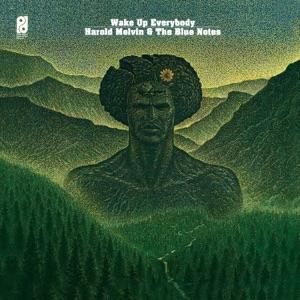
Soul / R&B / Philadelphia & sweet soul · 1975
Wake Up Everybody
Harold Melvin & the Blue Notes
Why listen
A public appeal and songs featuring Sharon Paige reveal the vocal range of a seven-track Philadelphia soul programme.
Listen and read
Tracks · previews
English editorial edition
Album story
Wake Up Everybody begins with an appeal to a whole community, but the album is not built around only one voice or subject. Teddy Pendergrass’s forceful lead and Sharon Paige’s featured appearances create different relationships within the original seven songs. Public responsibility and private affection share the programme.
Released in 1975, this was the group’s final studio album for Philadelphia International and its last with Pendergrass. Harold Melvin’s name identifies the group without identifying every lead singer. Contemporary label advertising explicitly featured both Pendergrass and Paige. Kenny Gamble and Leon Huff produced the record, with the studio ensemble and arrangers giving its songs a large setting. The title track’s social theme is central, yet the other performances widen the album beyond a single message or a showcase for one singer.
The people behind the appeal
Gene McFadden, John Whitehead and Victor Carstarphen wrote Wake Up Everybody. Their credit matters alongside the better-known production partnership. The song addresses people with concrete responsibilities, including teachers and doctors. Pendergrass brings that appeal forward, and the long album performance gives it room beyond the shorter single. The recording joins composition, arrangement and delivery in a collective undertaking.
An ensemble assembled in stages
Gamble later described building rhythm tracks, adding vocals and then bringing in strings and horns. He also recalled recording the singers separately from the band. The apparent unity of the finished record therefore does not imply that every musician performed simultaneously in one room. Rehearsal and successive studio decisions helped create that cohesion.
Paige changes the vocal frame
You Know How to Make Me Feel So Good features Sharon Paige in third place, and she also appears on the original closer, I’m Searching for a Love. Those positions broaden the vocal perspective beyond the title track. Between them, Don’t Leave Me This Way belongs here as the Blue Notes’ album recording, before its later fame in other interpretations. The seven-song programme accommodates social address, romantic exchange and dance momentum without reducing one to decoration for another.
The album through its tracks
Compare the title track’s public address with the third song featuring Sharon Paige.
Wake Up Everybody
Written by Gene McFadden, John Whitehead and Victor Carstarphen, this performance places Teddy Pendergrass at the front of an appeal for collective action. Teachers and doctors are among its concrete addressees, so the title is more than a general instruction to rise. The selected album track lasts approximately seven minutes and thirty-three seconds, rather than reproducing only the short first part issued as a single. Distinguishing the writers from the producers preserves the collaborative nature of the recording. It also helps to distinguish Pendergrass’s lead from Harold Melvin’s name in the group title. The other selection introduces a different vocal relationship within the same album.
Reference · Cash Box, November 8 1975 — contemporary single review and three songwriter creditsYou Know How to Make Me Feel so Good
The third original track features Sharon Paige and turns toward an intimate relationship after the broad public appeal of the opener. Gamble and Huff wrote this approximately five-minute-seventeen-second song. Its featured voice makes the album’s range tangible: Pendergrass’s prominence does not describe every vocal configuration. Paige also appears on the original closing track, I’m Searching for a Love, so her presence has more than one position in the programme. Selecting this song brings attention to material easily overshadowed by the title track and Don’t Leave Me This Way. It demonstrates how romantic exchange and social address coexist within the same seven-track record and production setting.
Reference · MusicBrainz — 2008 edition programme and detailed credits
Listen next
Compare the O’Jays’ Ship Ahoy for another Philadelphia International group combining social themes with personal relationships.
Ship Ahoy ↗References & editorial note
Written for English readers. Album facts are referenced below; listening suggestions are editorial interpretations. AI-assisted editorial review; not independently human-reviewed.
- Wax Poetics — Kenny Gamble interview on recording Wake Up Everybody · magazine.waxpoetics.com
- Record World, December 6 1975 — Philadelphia International album advertisement naming Pendergrass and Paige · www.worldradiohistory.com
- Cash Box, November 8 1975 — contemporary single review and three songwriter credits · retrocdn.net
- MusicBrainz — 2008 edition programme and detailed credits · musicbrainz.org
- Musik-Sammler — original PZ33808 seven-song LP programme · www.musik-sammler.de
- Apple Music — Wake Up Everybody with one Tom Moulton bonus mix · music.apple.com