Japanese Music / Folk & songwriters · 1976
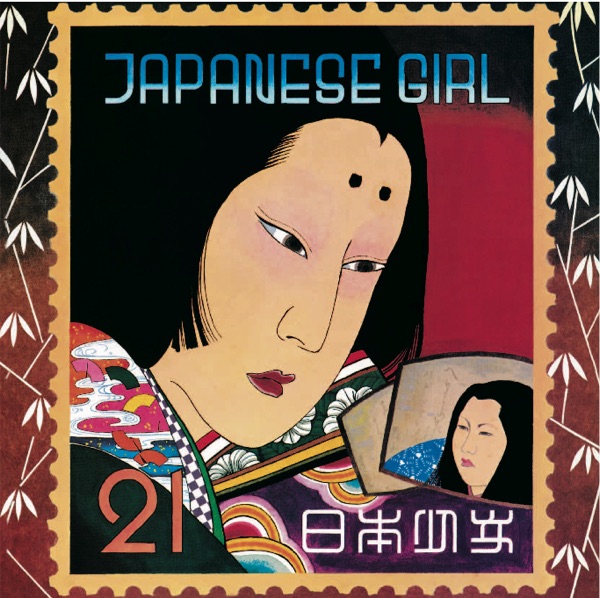
JAPANESE GIRL
Akiko Yano
JAPANESE GIRL · 矢野顕子
Why listen
Akiko Yano turns vocal inflection and percussive piano into a flexible rhythmic centre across two distinct recording settings.
Listen and read
Tracks · previews
English editorial edition
Album story
Yano’s voice rarely seems content simply to trace the melody. A syllable lengthens, an ending contracts, and the piano supplies another sharply shaped movement beneath it. JAPANESE GIRL is compelling not just because several musical vocabularies meet, but because the singer makes those materials respond to her particular sense of timing.
Released on 25 July 1976, this solo debut comprises an American-recorded first half featuring Little Feat and a second half made with musicians in Japan. The geography is useful context, not a requirement to hear two sealed cultural compartments. Yano’s articulation and piano remain central in both settings, changing how a familiar pulse feels through the placement and duration of a note.
A changing scale of movement
The opening “気球にのって” gives voice and band substantial room to establish their relationship. “クマ” and the compact “電話線” offer different proportions before the brief “津軽ツアー” and longer “ふなまち唄 Part II” complete the first half. Instead of identifying an influence at every turn, follow how long Yano holds a syllable. Her phrasing can move with the beat while also changing its apparent outline.
A song from elsewhere
The second half moves from “大いなる椎の木” through “へこりぷたぁ” and “風太” to “丘を越えて.” That last song has lyrics by Yoshifumi Shimada and music by Masao Koga; it is not a Yano original. Its presence makes another kind of transformation audible, as an existing melody acquires her articulation. The album ends with “ふなまち唄 Part I,” placing the numbered pair in the opposite order to what a new listener might expect.
Keep the relationships in focus
Little Feat’s name can provide a point of entry, but it should not reduce Yano to the recipient of a famous band’s support. Nor does the album title require every detail to represent a national tradition. Listen for a brief piano attack against a sustained voice, or a continuing accompaniment beneath a momentary vocal pause. These overlapping lengths are a useful route through the original ten-song programme before comparing later solo-piano performances.
The album through its tracks
Compare the timing of voice and piano on 電話線, then the inflection of an existing melody on 丘を越えて.
電話線
In less than three minutes, the song gives voice and piano many opportunities to meet and move apart. Yano wrote both words and music. Begin with the vocal, noting where a vowel remains open and where a syllable ends abruptly; then follow the piano through the same passage. An accent may reinforce the singer or create another rhythmic edge. There is no need to reduce that activity to a display of virtuosity. The short phrases and returning accompaniment keep the song moving. It is track three in the American-recorded half of the original album, also third in the selected Japanese digital edition. Later solo-piano versions create a different space around the voice.
Reference · Sony official archive:1976date and songwriting credits丘を越えて
The official credits identify lyricist Yoshifumi Shimada and composer Masao Koga. Yano approaches their melody with a vocal character that remains recognisably her own. Follow a phrase once as a tune, then attend to how she enters it and how long each word occupies. Changes of emphasis can reshape the rhythm without requiring a different basic melody. Ninth in the original programme, the song offers another kind of familiarity before “ふなまち唄 Part I” closes the album. Calling it an updated old song is only a beginning: the more revealing detail is the distance between the vocal and the accompaniment. The selected audio is this studio version, not a subsequent concert reading.
Reference · Sony official archive:1976date and songwriting credits
Listen next
Compare with Yosui Inoue’s Kōri no Sekai, following different ways in which Japanese vowels and phrase endings become rhythmic material.
Kori no Sekai ↗References & editorial note
Written for English readers. Album facts are referenced below; listening suggestions are editorial interpretations. AI-assisted editorial review; not independently human-reviewed.